From Paris to PEI: Turning Global Food Trends into Business Growth
By Michael Good, Director of Company & Product Development, Food Island Partnership
Walking the floor at SIAL Paris 2026, I kept coming back to a question: What makes someone choose a product and come back to buy it again?
For all the innovation on display, there was no single answer. Taste remains essential, but consumers are also looking for convenience, credible nutrition, an appealing story, and a price that makes sense. The strongest products brought several of these expectations together in a way that was easy to understand.
That matters for Prince Edward Island. We have exceptional ingredients, capable food and beverage companies, and a sense of place that gives our products a compelling story. Turning those strengths into business growth requires attention to everything around the product: its positioning, packaging, price, distribution, and role in consumers’ lives.
Here are the observations I brought home, and what they could mean for Island businesses.
Health is finding its way into everyday eating
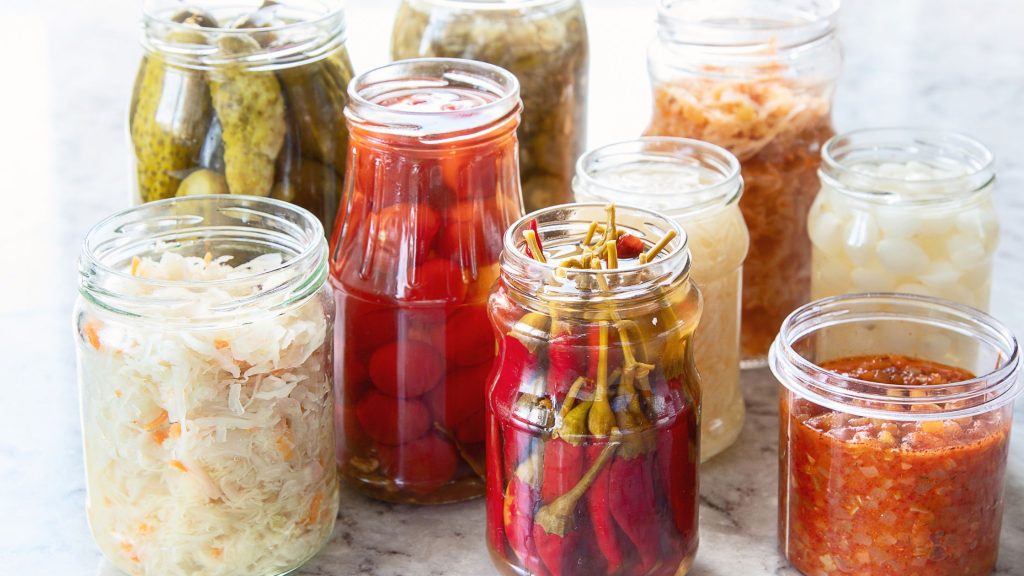
Protein remained highly visible across the show, often taking centre stage on packaging. Fibre, digestive health, and healthy ageing also featured prominently, alongside fermented beverages and products positioned around sleep, stress, and other specific needs.
The broader direction was clear: consumers increasingly expect everyday foods to offer nutritional benefits alongside enjoyment and convenience.
For PEI companies, this creates opportunities to look at familiar ingredients in new ways. Could an existing product serve a different eating occasion? Could a smaller portion deliver meaningful nutrition? Is there an ingredient strength that the company has not clearly communicated?
The starting point should be a defined consumer need. A product still needs to taste good, offer value, and deliver benefits that can be substantiated.
Flavour earns attention. Repeat purchases prove the opportunity.
Discovery and enjoyment were everywhere at SIAL. Bold flavours, distinctive textures, spice, and regional culinary traditions appeared across categories. Street-food-inspired products were particularly noticeable, as were sauces, seasonings, and prepared components that make unfamiliar flavours easy to enjoy at home.
There is an opportunity here for businesses that can make an interesting food experience accessible. Consumers may be curious about a regional dish without having the ingredients, knowledge, or time to prepare it themselves.
The commercial question comes after that first purchase: Does the product earn a place in someone’s routine?
For Island companies, testing should explore both initial interest and the reasons someone would buy again. Novelty can attract attention, but lasting demand supports growth.
Convenience is changing the product opportunity
Convenience showed up in portable formats, smaller servings, squeeze pouches, stick packs, and ready-to-eat or ready-to-heat meals. Products reflected a wider range of eating occasions, including solo meals, lighter meals, and more substantial snacks.
One example that stood out was a kefir-based meal pack combining protein, fibre, and fermented nutrition in a convenient format. It illustrated how several consumer needs can come together in one offering.
For PEI businesses, the next opportunity may involve adapting an existing product. A different pack size, easier preparation method, or different positioning could make it relevant to a new customer or occasion.
Those choices also have operational consequences. Packaging costs, production requirements, distribution and willingness to pay all need to be considered early.
Origin opens the conversation. Branding helps make the sale.
Provenance was a strong theme throughout the show. Products used regional specialties, culinary traditions, and country-of-origin stories to communicate identity and encourage discovery.
That is relevant to Canada’s Food Island. Our PEI origin story gives businesses something meaningful to build on, but a product’s packaging still needs to answer the shopper’s immediate question: Why should I choose this product?
I was also struck by differences in how European and North American products presented themselves. Some excellent European products used packaging and visual cues quite different from those commonly associated with quality or premium positioning in North America.
That observation raises an important export consideration. Consumers in different markets may interpret the same packaging differently. What communicates authenticity in one market may feel unfamiliar in another.
Before entering a new market, companies should consider more than regulatory label changes. They need to understand how the intended customer judges quality, trust and value, and whether their brand communicates those qualities effectively.
Value needs to be clear
“Accessible added value” was a useful theme at SIAL. Consumers are watching prices while continuing to seek taste, quality and benefits that matter to them.
Smaller packs, simplified recipes and strong private-label offerings were among the responses visible at the show.
For a business, this reinforces the importance of setting a realistic target price and understanding the margin behind it. A premium price needs a reason the customer recognizes. A lower shelf price needs an operating model that supports it.
These discussions belong at the beginning of product development, alongside formulation and packaging decisions.
Sustainability is becoming more tangible
The sustainability opportunities that caught my attention were practical: reducing waste, using ingredients more efficiently, improving sourcing, and reconsidering packaging.
Several businesses were finding commercial uses for food processing and agricultural side streams, turning materials from one process into ingredients for another.
PEI has opportunities worth exploring in off-grade produce, processing by-products and shelf-life improvements. Each needs careful screening, including available volumes, consistency, processing requirements, buyer interest and economics.
The strongest opportunities will connect a useful resource with a clear customer need and a workable business case.
Digital discovery is part of market readiness
Digital content continues to shape how people discover food. Content with strong photography/videography, clear packaging, and an easily understood benefit can help a product earn attention before a shopper reaches the shelf.
At the same time, fast-moving trends and increasingly specific dietary preferences can add complexity to product ranges, manufacturing and marketing.
Businesses need to distinguish between an emerging opportunity and a short-lived spike in interest (i.e. trends vs. fads). Responding quickly can be valuable when there is evidence of demand, and the company can deliver profitably.
The product’s digital presentation should make choosing it easier: what it is, how to use it, and why it deserves a place in the customer’s life.
Bringing the insights home
For Food Island Partnership and PEI’s food & beverage business community, these observations point to several practical areas for exploration:
- Consumer and buyer testing: Explore whether relationships with European partners such as BIA Innovator Campus could help Island companies test product, flavour, format and positioning ideas before making significant investments in EU export.
- Brand and packaging readiness: Assess how clearly products communicate quality, value, and relevance to their intended market.
- Commercial uses for side streams: Identify promising opportunities and screen them against supply, technical requirements, customer demand and economics.
- Earlier route-to-market planning: Bring pricing, margins, pack sizes, retailer expectations, and distribution costs into development discussions from the outset.
For companies considering growth, a few questions are worth asking:
Does our packaging communicate the quality of what is inside? What specific consumer need does our product meet? Would a different format or clearer positioning improve competitiveness? Have we tested our assumptions with people in the market we want to reach?
I left SIAL encouraged by the opportunities for PEI. Our ingredients, businesses, and food culture give us a strong foundation. The next step is to be deliberate about where those strengths matter most and translate them into products people understand, value and choose again.